
The Cockatoo Chronicles

Renewable Food - The Next Climate Domino to Fall?
We are easily distracted by the short-term fluctuations of political and business trends in the corporate sustainability world. But beyond the noise, it’s the science and the economics that matter. The economics delivers the needed change – or the damage if we fail to act.
On that basis, it seems likely that food and agriculture will be the next climate domino to fall. The science is clear that without change the current system will fail, while the economics is shifting to enable a renewable food system to take its place.
In my recent paper published by the University of Cambridge’s Institute for Sustainability Leadership, I defined a renewable food system as …
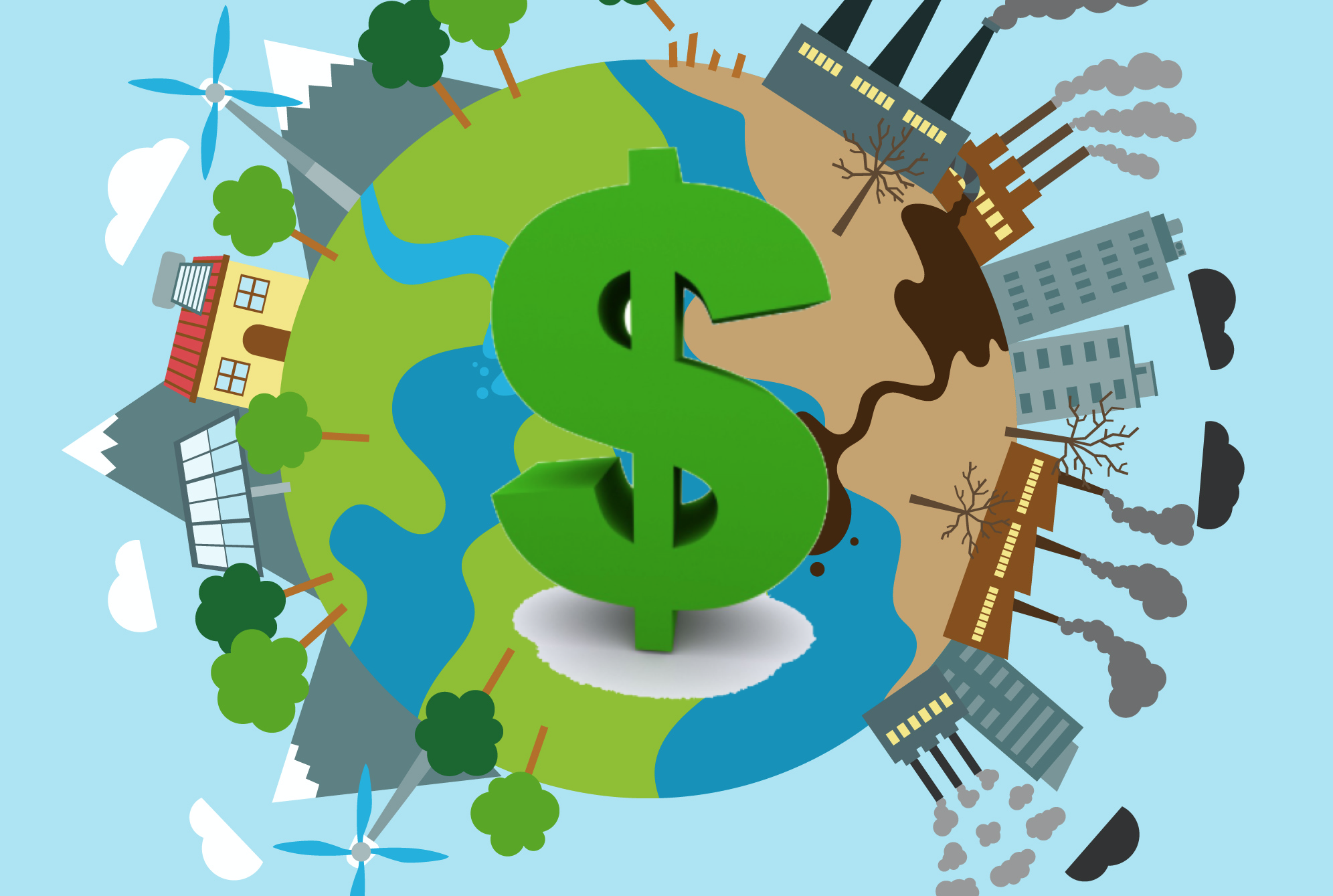
Corporate Sustainability - Time for a Radical Rethink.
Most actions being taken by companies in the name of sustainability or ESG are, at best, irrelevant to the global challenges we face. At worst, they are counterproductive - derailing more substantive action by giving the illusion of progress. They are like personal consumer choices on sustainability - hard to argue against and make those participating feel they are contributing, while having virtually zero impact on the problems they claim to address.
This will be challenging for people in this field to accept. After 30 years arguing for such actions, I found it hard to accept as well.
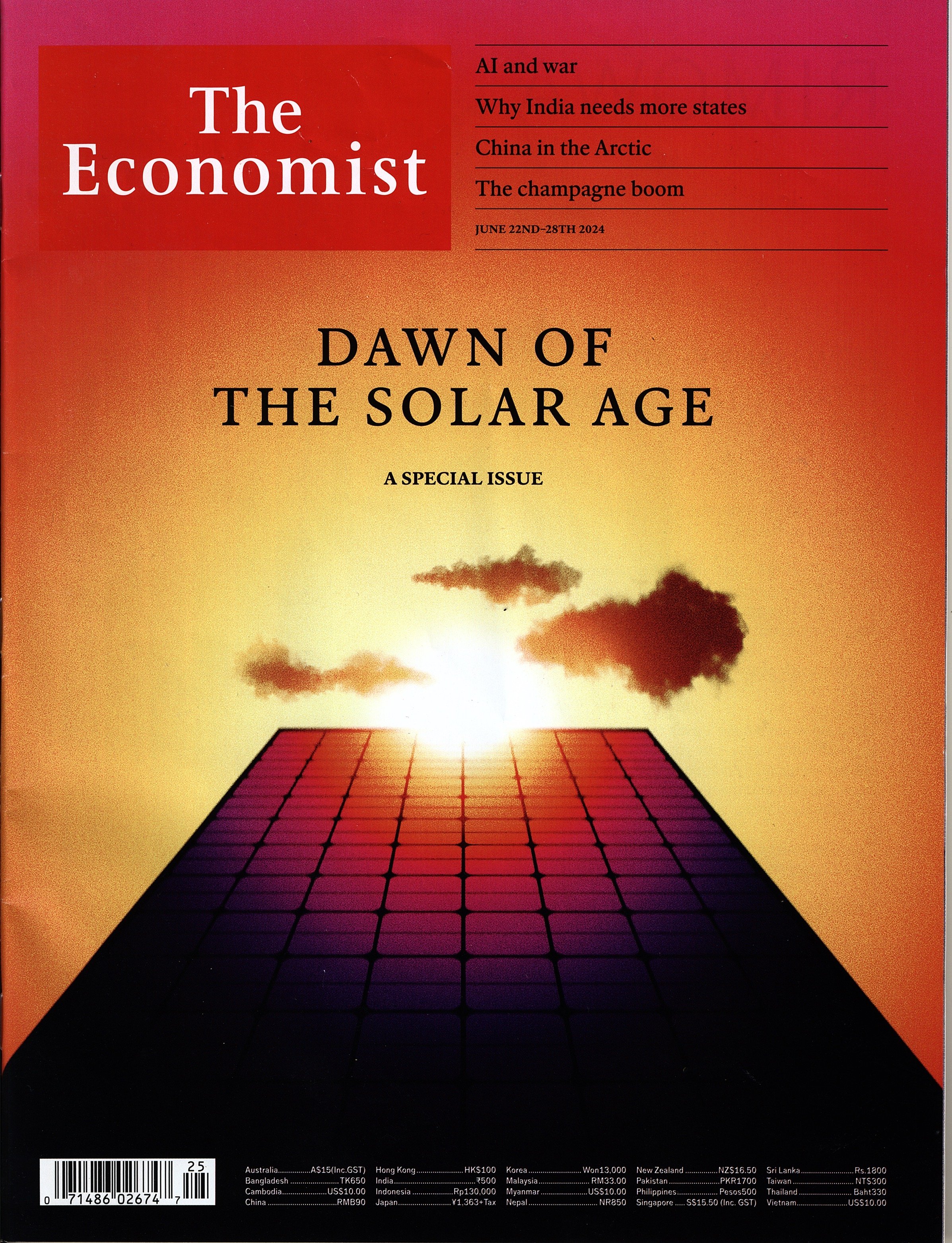
Carbon Crash Solar Dawn
Decades in the making, and still denied by the incumbents, the decline of fossil fuels is imminent. No longer a theoretical future risk, this will be a dramatic market impact in the next decade.
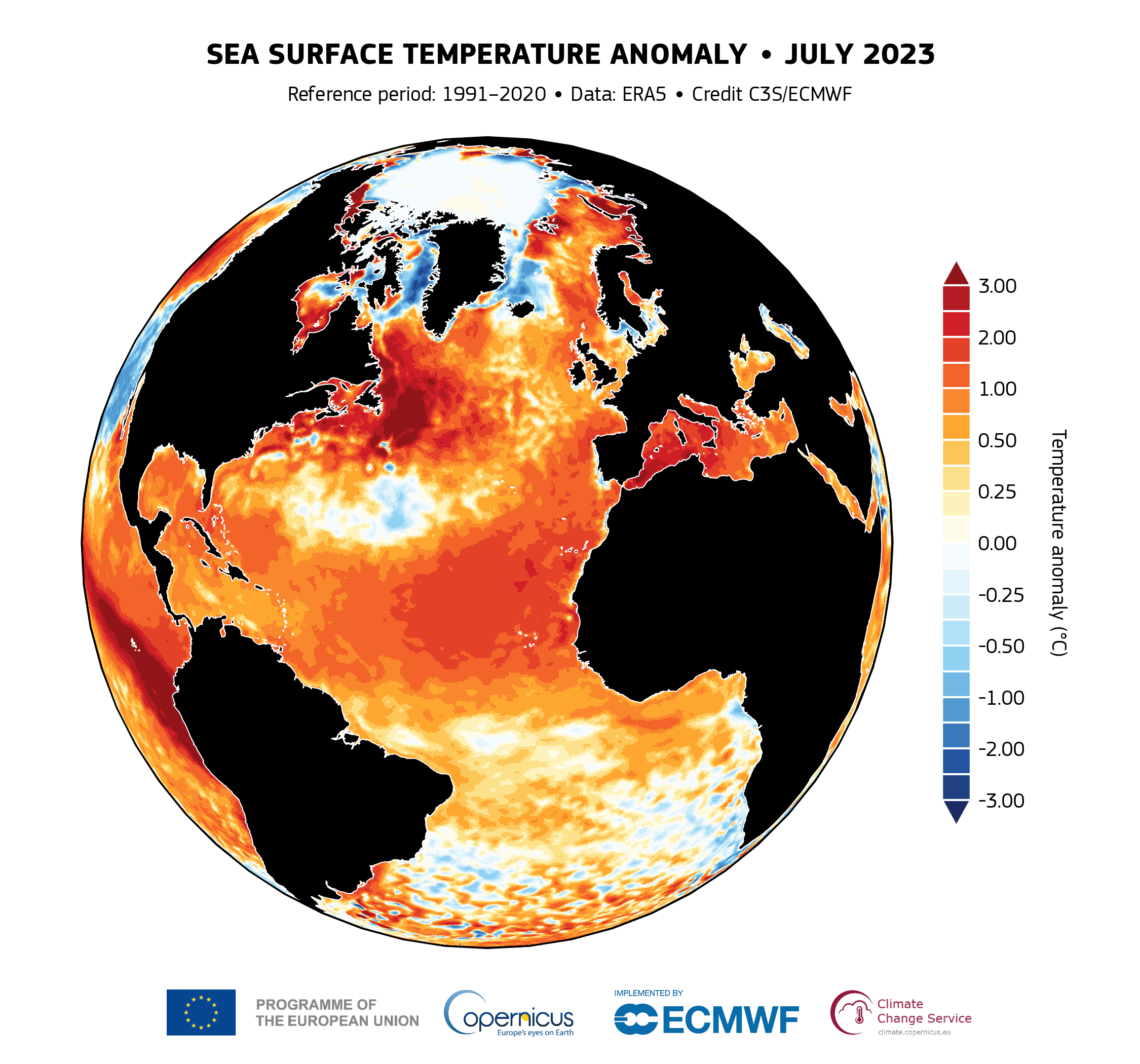
The Great Disruption Has Begun
We’re living through a virtual tsunami of terrifying climate news. Extreme fire, flood and heat events are smashing records across the globe. Simultaneously, monitoring of various natural processes that regulate our climate indicates unprecedented system changes are underway.
As a result, I argue here we have hit a multi-system tipping point – the “crash” that I have long argued would trigger “the great disruption”. We can now expect a destabilisation of the global climate system at a scale that is so chaotic, unpredictable and costly, it will trigger cascading disruptive change in the global economy, national politics, investment markets and geopolitical security. The implications are profound.
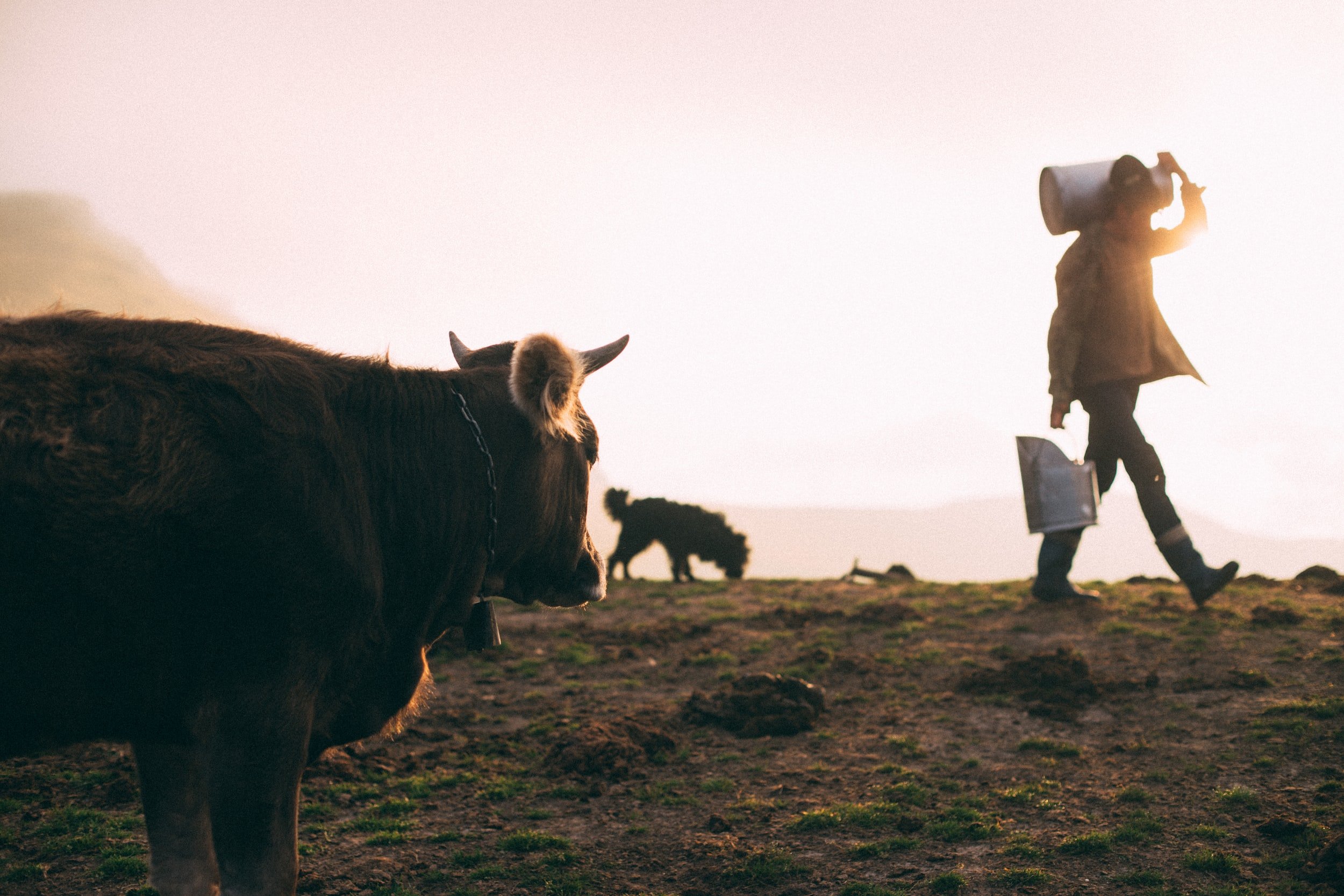
Will the Food and Livestock Industry Follow Fossil Fuels Over the Market Cliff?
The climate emergency is now a methane emergency - because only rapid methane reduction will slow the rate of warming at the required speed (< decade). The most effective response is to cut livestock emissions – reduce consumption of beef and dairy and lower methane emissions in production. This means the food and livestock industry, particular beef and dairy, face a truly existential risk. Their future will be decided this decade. If they don’t embrace change and recognise its disruptive nature, they will go down the same path as fossil fuels. Denial, resistance, avoidance and delay followed by their collapse.
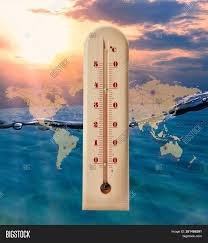
Shifting our Focus from the ‘Level of Emissions’ to the ‘Rate of Warming’.
Every fraction of a degree of warming brings us closer to climate tipping points that if breached, could lead to a runaway process we cannot control. We are teetering on that edge.
We need to reset the debate to have a laser focus on the immediate rate of warming and everything that influences it.
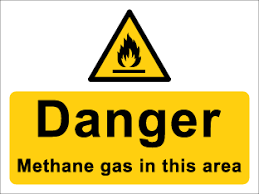
Why The Climate Emergency is now The Methane Emergency
We are about to go through the most profound shift in the climate debate in 20 years. The result will be the end of the gas industry’s hope of being a transition fuel, a brutal market disruption to the agriculture and livestock industries and the arrival of the climate emergency into public consciousness. This will all be driven by the acceptance of methane as the critical response to the climate emergency.
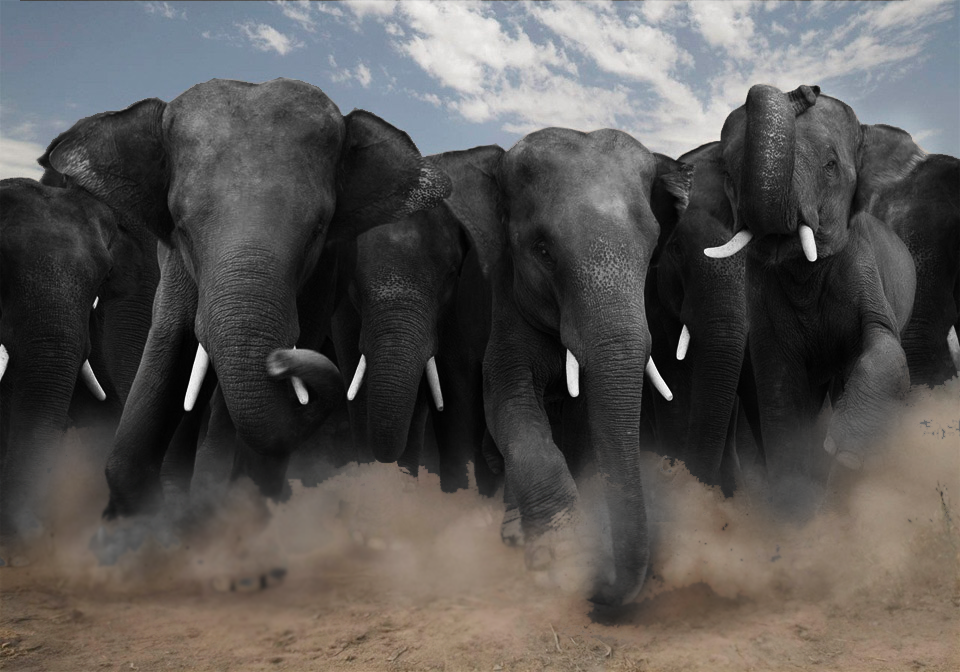
It Will Get Darker Before The Dawn
COVID 19 is not a ‘black swan’ – a singular, unexpected event. It is the first in a series of what NYT’s Tom Friedman referred to as a ‘herd of stampeding black elephants’ – multiple, predictable and economically catastrophic events. Events that everyone knows are coming but our political and business leaders have consciously chosen not to deal with.
Choices have consequences….
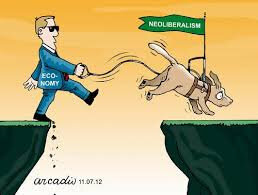
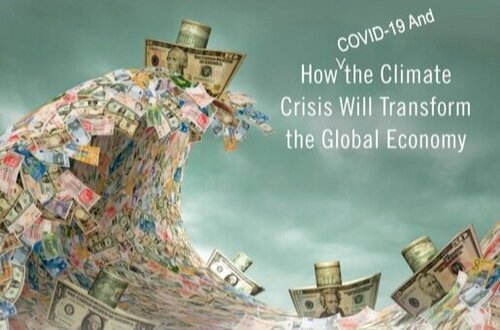
COVID-19 And The Death of Market Fundamentalism
On top of the countless human tragedies, there will be many long-lasting social and economic impacts of the COVID-19 pandemic. Perhaps none will be more profound though, than the death of free market fundamentalism and the return of the State…
COVID-19 presents a blindingly powerful economic case for change. It shows that an ideological, quasi-religious approach to regulating markets, sometimes called neo-liberalism and, until the virus, the dominant political approach in the west, is fatally flawed. It creates a weak and unstable economy, which magnifies risks and is unable to manage shocks1. It threatens itself.
Our Collapsing House of Cards
It was always going to come to this. Whether it was a pandemic triggering a shutdown, a climate emergency bursting the carbon bubble, a populist backlash against inequality, wars over water or countless other possible triggers, this moment has long been inevitable.
COVID-19 is just like a match thrown on a tinder dry forest floor on a hot windy day and starting a wildfire. The match isn’t the key – it’s where it lands.