Thank you for taking the time to visit my site. Here you will find information about my history, my work, my writing and my philosophy. It describes what I’m currently doing, and what I’ve done over the past 45 years, to try to lead a life well lived and leave the world a better place for my visit. Read more
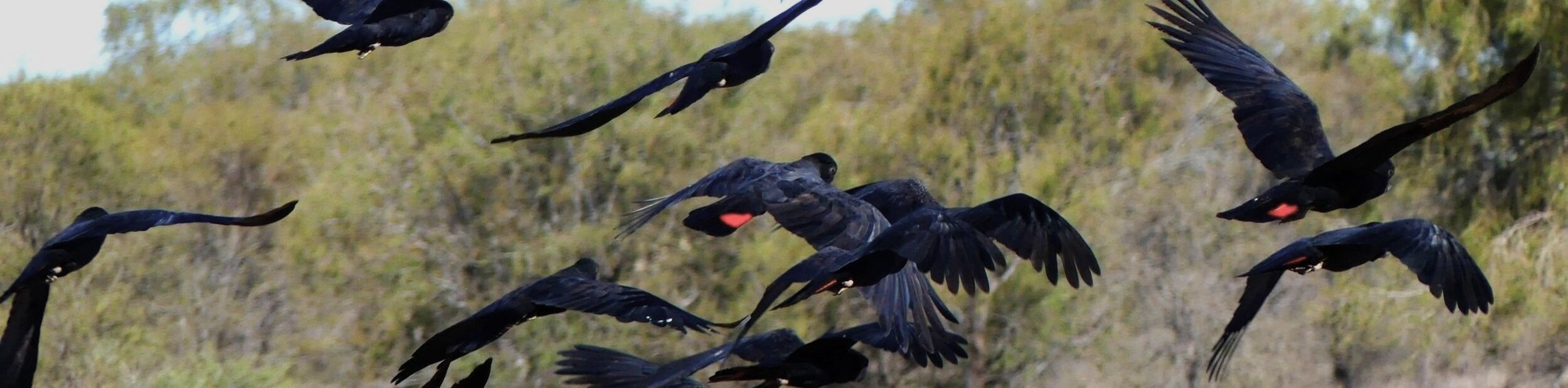
Read my latest thoughts….
Read the Cockatoo Chronicles
(10 min reads)
Read the Baby Cockatoos
(2 min reads)




An Introduction -To Me and To This Website
I’ve chosen to put together this site using my own voice. It feels a little uncomfortable writing in the first person, as usually such sites are designed to promote the person’s experience, knowledge and competence - so it feels like showing off when you write it this way! However it also feels more real and more personal, so I thought it might be interesting to take this approach to describing who I am and what I’ve done. Perhaps this is partly about being in my 60’s and being more reflective about my life? Perhaps it’s a wish to describe all the experiences I’ve had, so you understand the framing context of my current views? Perhaps it’s wondering about whether all this has, in some small way, helped to influence change? Whatever the motivation however, please forgive the inevitable aspects of self promotion or aggrandisement and also instances when I slip back into the third person by shamelessly stealing the words of someone else who has been kind enough to praise my work.
When I speak to business audiences, I’m sometimes introduced with words along the lines of ‘one of the world’s most experienced and respected authorities on the implications of sustainability and climate change for business strategy and the economy’, and, an ‘unstoppable optimist’. I love both of these and what’s more I think they’re arguably correct! I have spent pretty much every waking hour since the age of 15 thinking, advocating and acting, trying to figure out how I can best help to change the world. I’ve always pushed boundaries and tried to be innovative and take risks as I sought to find new ways to have impact.
My journey has seen me be a hard core activist chaining myself to embassy gates and blockading nuclear warships, serve in the Australian military, be global head of Greenpeace, teach and research at the University of Cambridge, be a top advisor to CEOs of global corporations, write a seminal book on growth economics and sustainability and be a successful entrepreneur with a range of business ventures.
With over 40 years’ thinking and talking about global challenges with influential people (and sometimes being lucky enough to be paid for doing so!), I’m confident saying I have developed a solid understanding of the challenges and opportunities environmental and social trends present for business and society - and the way change actually occurs.
As a corporate advisor I’ve worked with the Boards and Executives of many leading global companies including Unilever, BHP Billiton, Royal DSM, Ford and DuPont. Through this work I’ve had the privileged of developing close working relationships with a large number of Chairs, CEOs and Executives, helping them - and me - to deepen our understanding of sustainability issues, particularly the relationship to business value and strategy.
As an author and advocate I’ve written countless papers and articles, including a range of well regarded journal papers such as “The Mother of All Conflicts” on climate change and security and “The One Degree Plan War Plan” (with the brilliant Jorgen Randers, one of the authors of The Club of Rome’s “Limits to Growth” ), on what a true mobilisation of the global economy and society to address climate change would look like. My blog, The Cockatoo Chronicles, has allowed me to explore and provoke discussion on the business implications of a rapid, sustainability driven transformation of the economy. My proudest writing achievement is my book “The Great Disruption” - its publication met wide acclaim and attention from major media outlets around the world, including in the New York Times where Pulitzer Prize winning writer Tom Friedman concluded, "Ignore Gilding at your peril".
As an entrepreneur I’ve experienced the pride and pain of being the CEO of a range of innovative NGOs and purpose driven enterprises including Greenpeace International, Ecos Corporation and Easy Being Green. I’m now the co-founder of both Disruptive Consulting and of the Changing Markets Foundation.
As an academic, I work as a Fellow at the University of Cambridge’s Institute for Sustainability Leadership (CISL). In this role I research and lecture on “Radical Innovation – Accelerating Clean Disruption” exploring the inevitable market disruption as we transform the global economy. My research has also focused on defining what it means to really see climate change as The Climate Emergency, with the 2019 paper “Climate Emergency Defined” and associated website ClimateEmergency.com
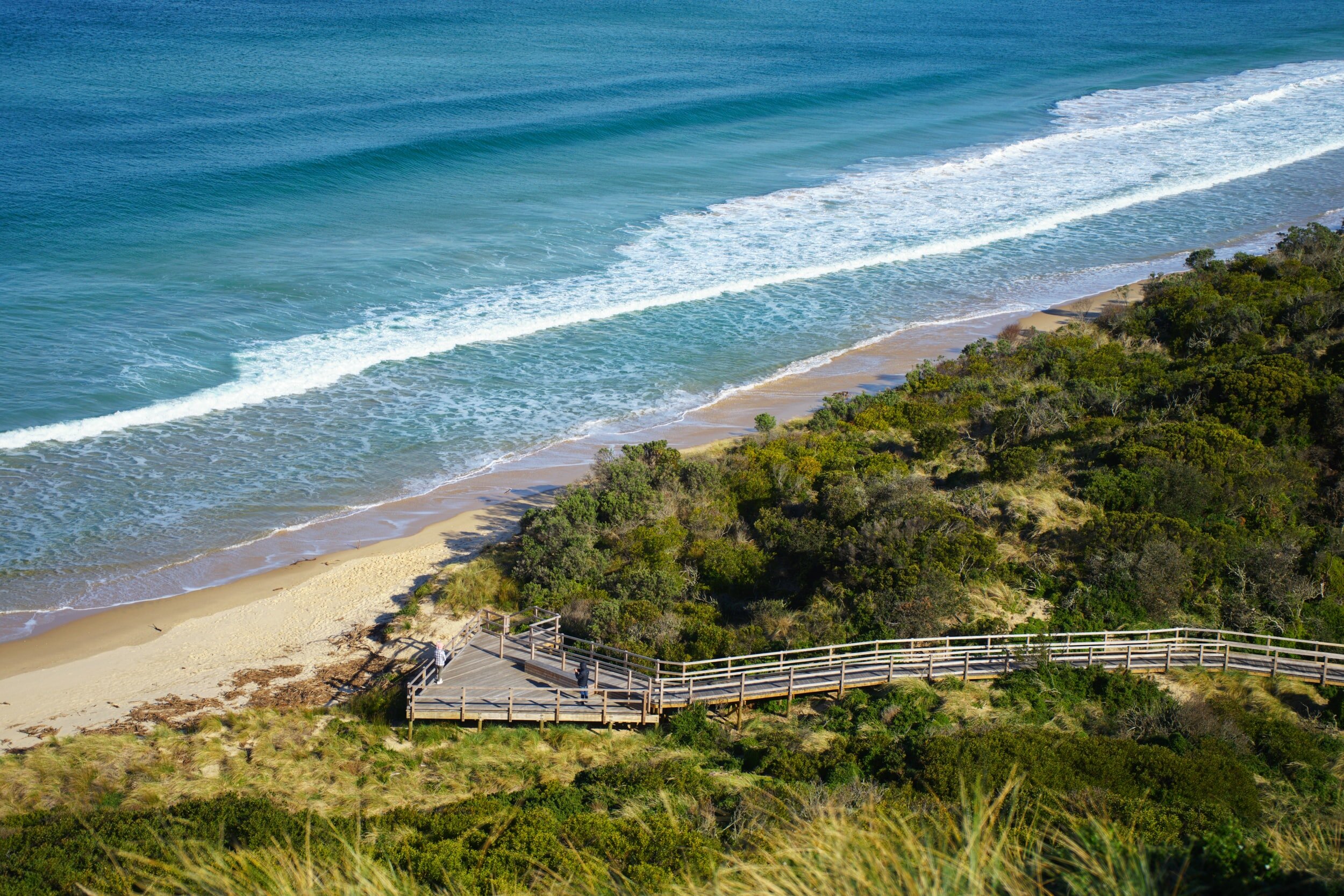
Taking the lessons learnt in writing “The Great Disruption” - both about what makes us truly happy and what the future is likely to entail - I moved to Tasmania, Australia in 2010. I live here on a 140 acre mixed farm which, as well as feeding our family, provides most of the produce inputs to an integrated agriculture, food and wine precinct, the Port Cygnet Cannery, which our family developed to celebrate and promote the region’s farms and community - and by doing so help build local resilience.
I now work from my converted bus on the farm, continuing to think about how to change the world, while watching the predictions I made 5, 10 and 15 years ago unfold - both in the market and in the biosphere. Although I certainly have days when I wonder, I still fundamentally believe that humanity is ‘slow, but not stupid’ and will act to address the systemic risks we face and, after some difficult and challenging decades, fulfil our potential to evolve into a higher level of development and civilisation.